

The event brought together experts from medicine, robotics and industry with the aim of strengthening the transfer of technology into clinical practice
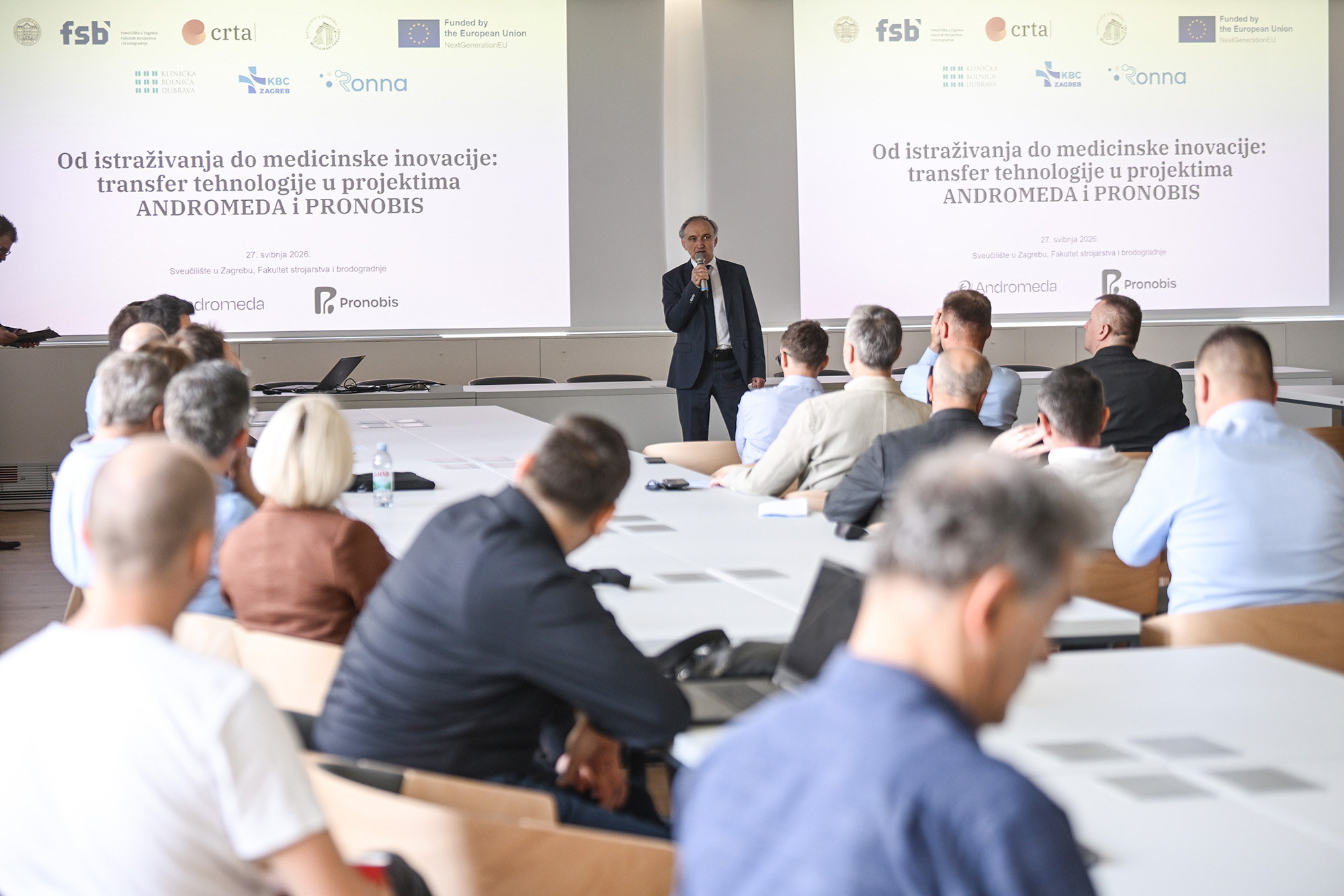
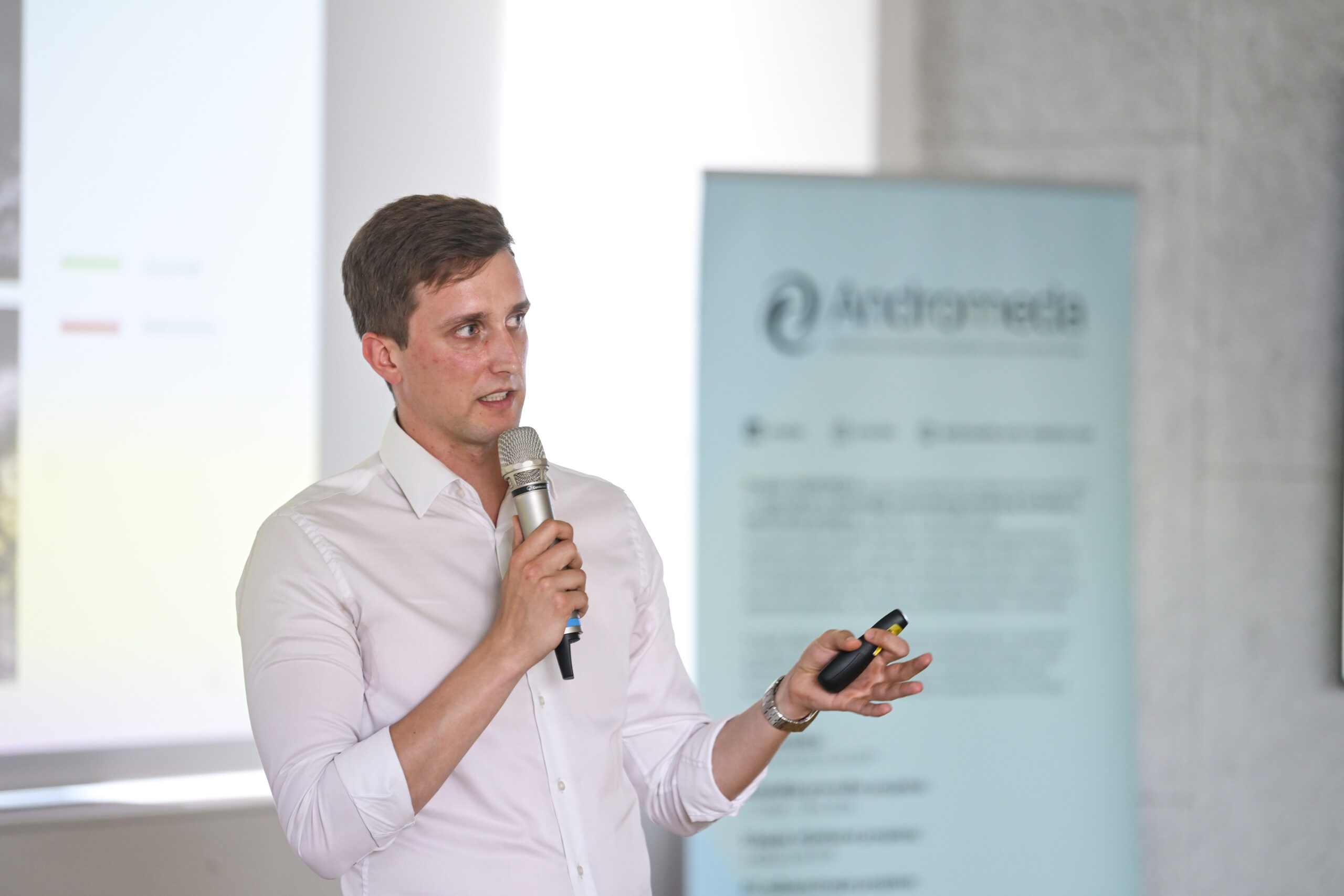
An event titled "From Research to Medical Innovation: Technology Transfer" was held at the Faculty of Mechanical Engineering and Naval Architecture, University of Zagreb, on May 27, 2026, presenting the results of the ANDROMEDA and PRONOBIS medical robotics projects. The event brought together representatives from academia, the healthcare system, industry, and the innovation sector with the aim of strengthening cooperation and accelerating the transfer of advanced technologies from research laboratories to clinical practice.
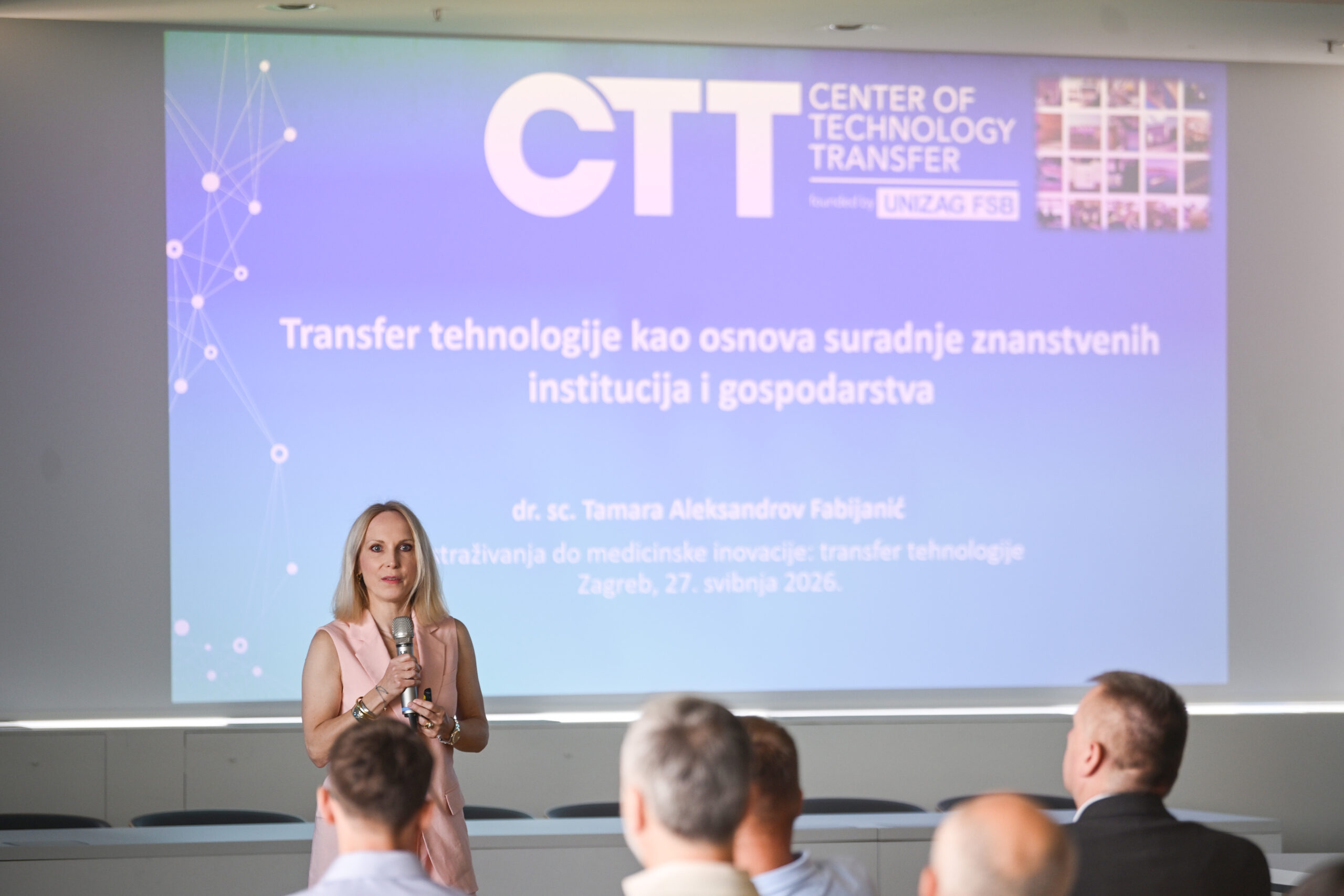
The conference was opened by the Dean of the Faculty of Mechanical Engineering and Naval Architecture, Prof. Dr. Sc. Zdenko Tonković, and the Director of the Center for Technology Transfer, Dr. Sc. Tamara Aleksandrov Fabijanić, emphasizing the importance of interdisciplinary cooperation between engineering, medicine, and economics in the development of innovative medical technologies.
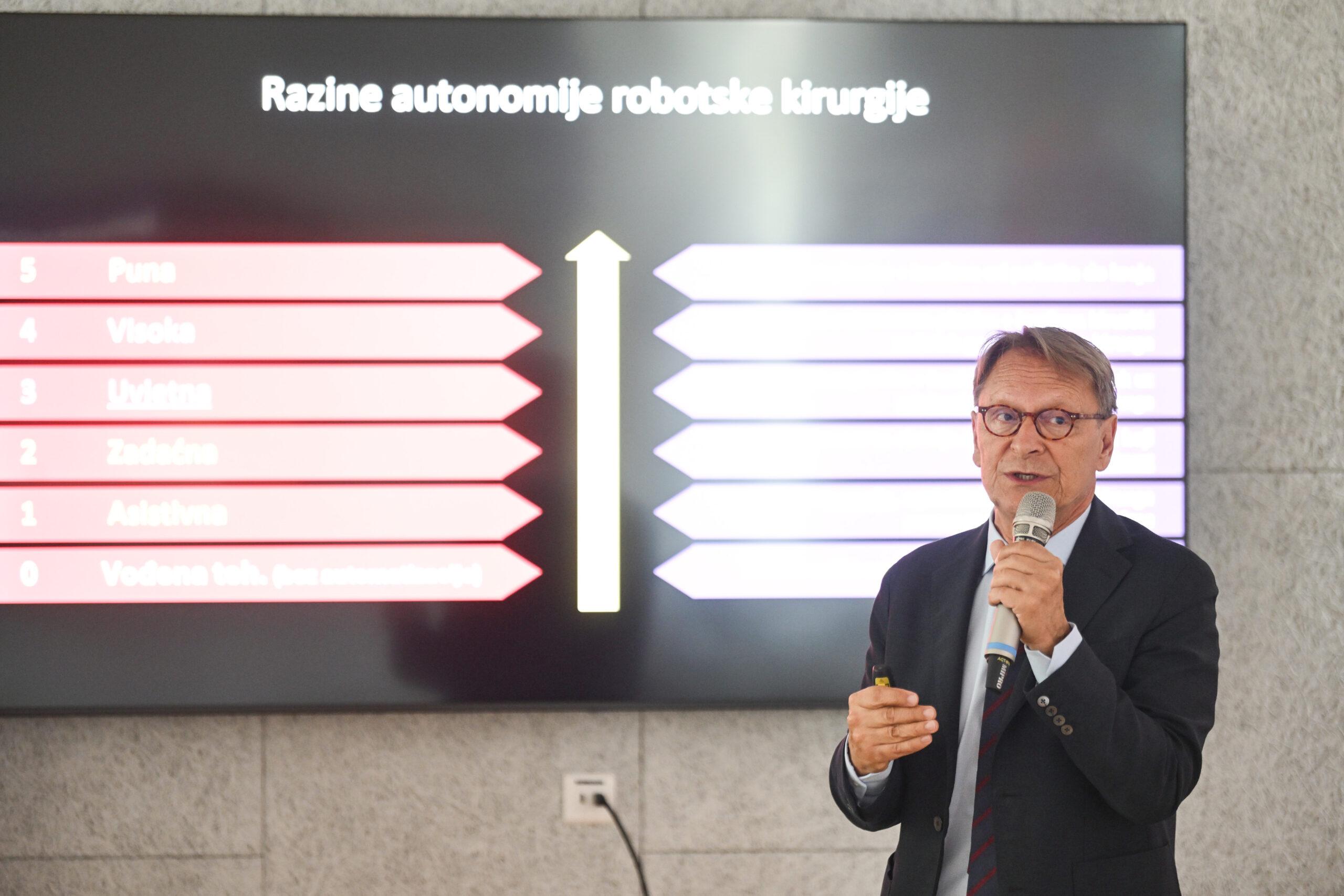
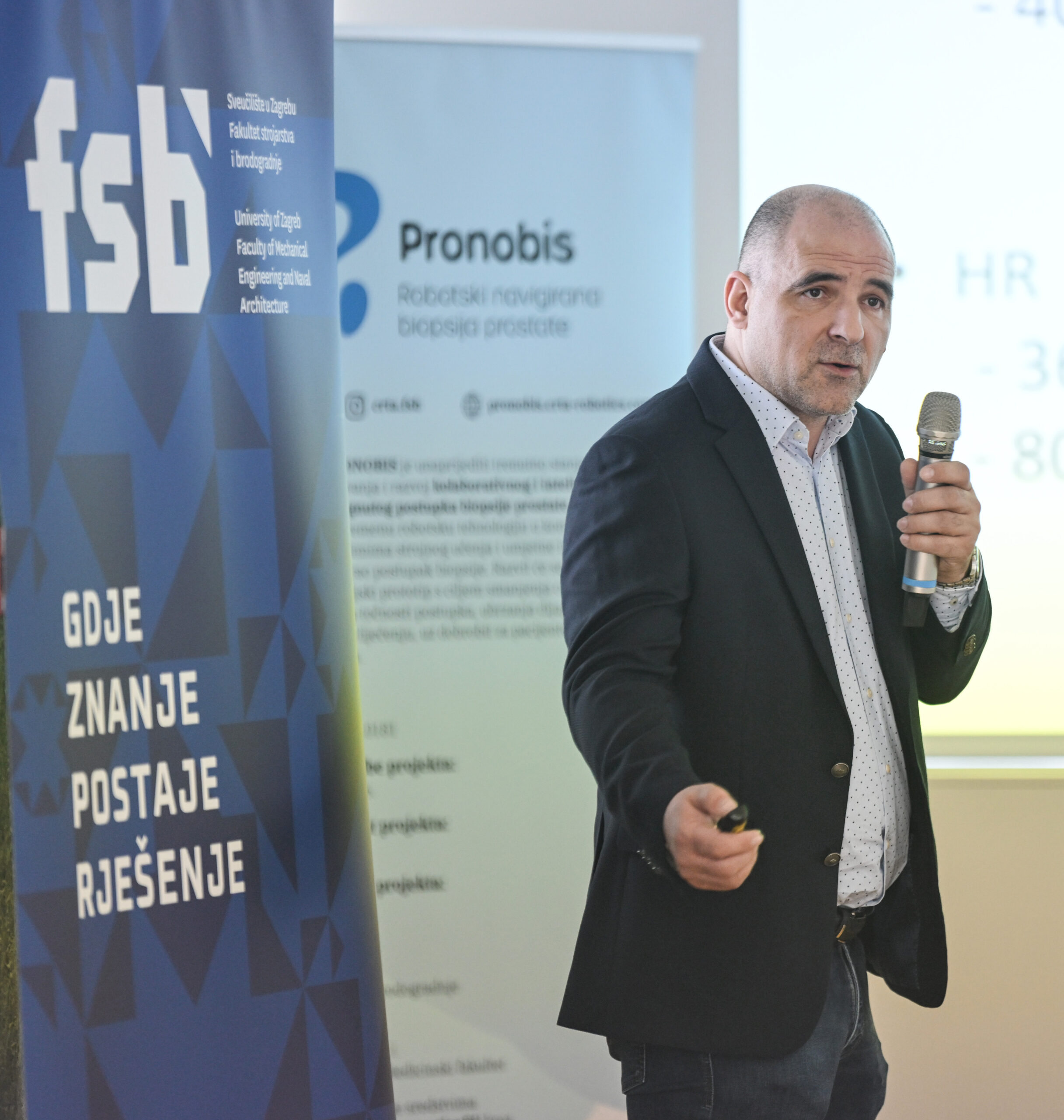
In his introductory speech, Academician Bojan Jerbić emphasized that the ANDROMEDA and PRONOBIS projects represent an example of the successful connection of scientific research, industrial development, and clinical practice.
"This conference shows how knowledge in robotics and artificial intelligence is transformed into concrete innovations at the FSB, from the laboratory to real-world applications. The PRONOBIS and ANDROMEDA projects are created in partnership between academia, industry and doctors, and confirm how interdisciplinary cooperation between medicine and technology can accelerate the transfer of technology into practice. Such an approach brings measurable benefits to patients and the healthcare system, while at the same time stimulating the development of the domestic medical technology industry," emphasized Academician Jerbić.
PRONOBIS – Robotic Navigated Prostate Biopsy
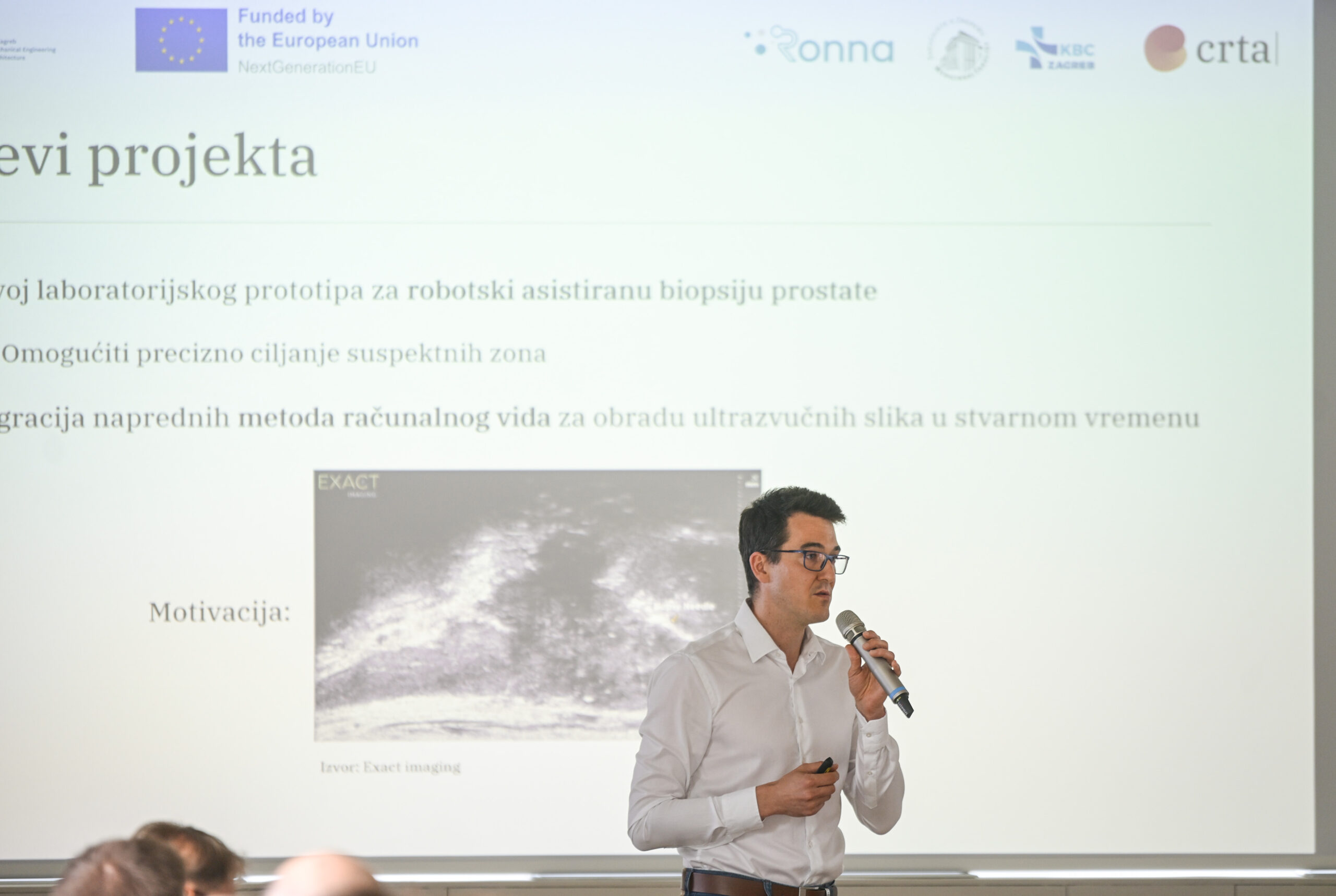
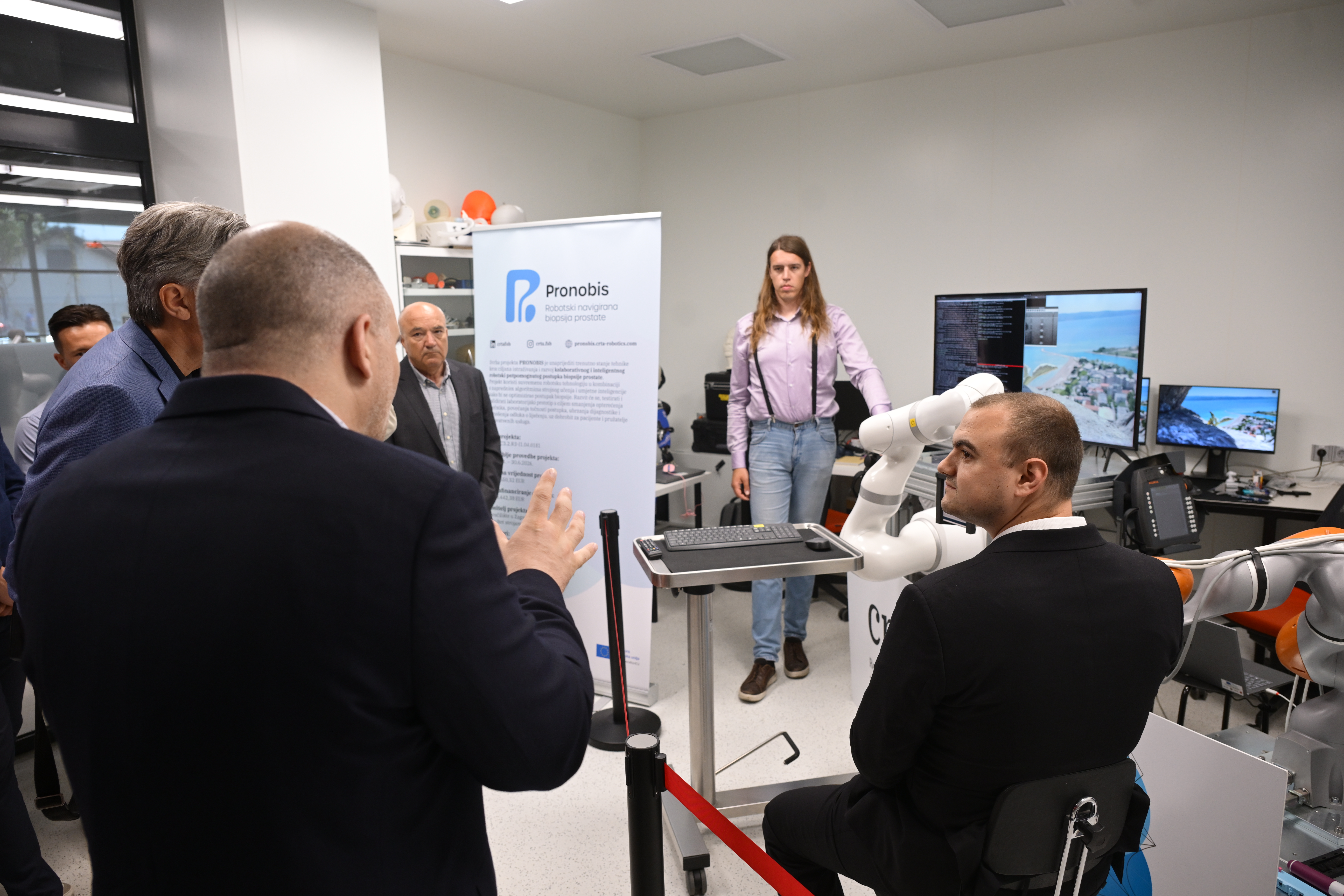
The PRONOBIS project is developing a robotically guided prostate biopsy system that integrates robotics, machine learning, and real-time navigation to improve prostate disease diagnostics. During the presentation, participants were introduced to the anatomy and function of the prostate, the incidence and clinical significance of prostate disease, and existing diagnostic and biopsy approaches and their limitations.
The key goals of the project were also presented: standardizing the biopsy procedure, increasing the precision and reliability of the procedure, reducing long-term dependence on MRI scanning, and speeding up the diagnostic process in order to increase the number of patients who can be provided with timely diagnosis and treatment.
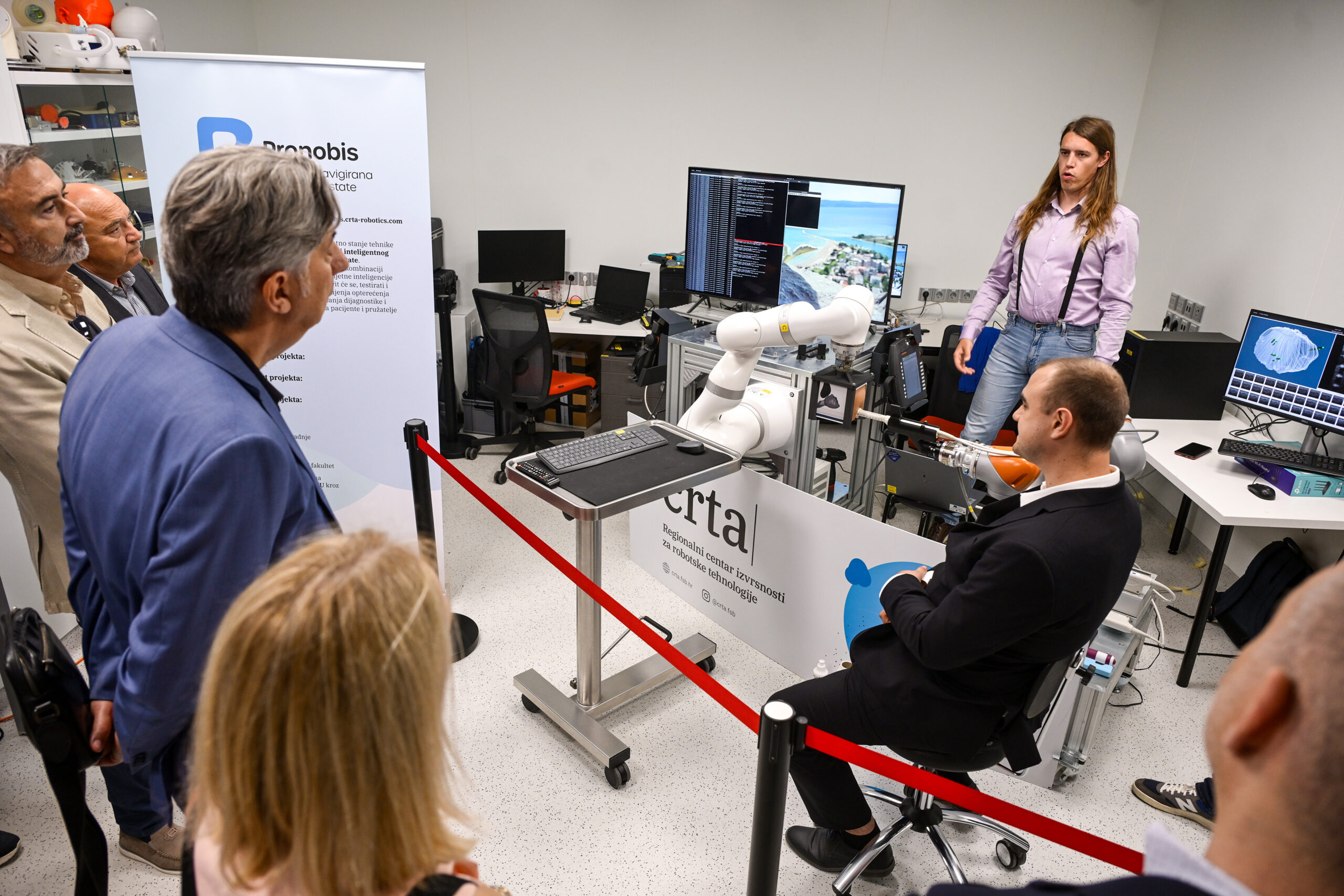
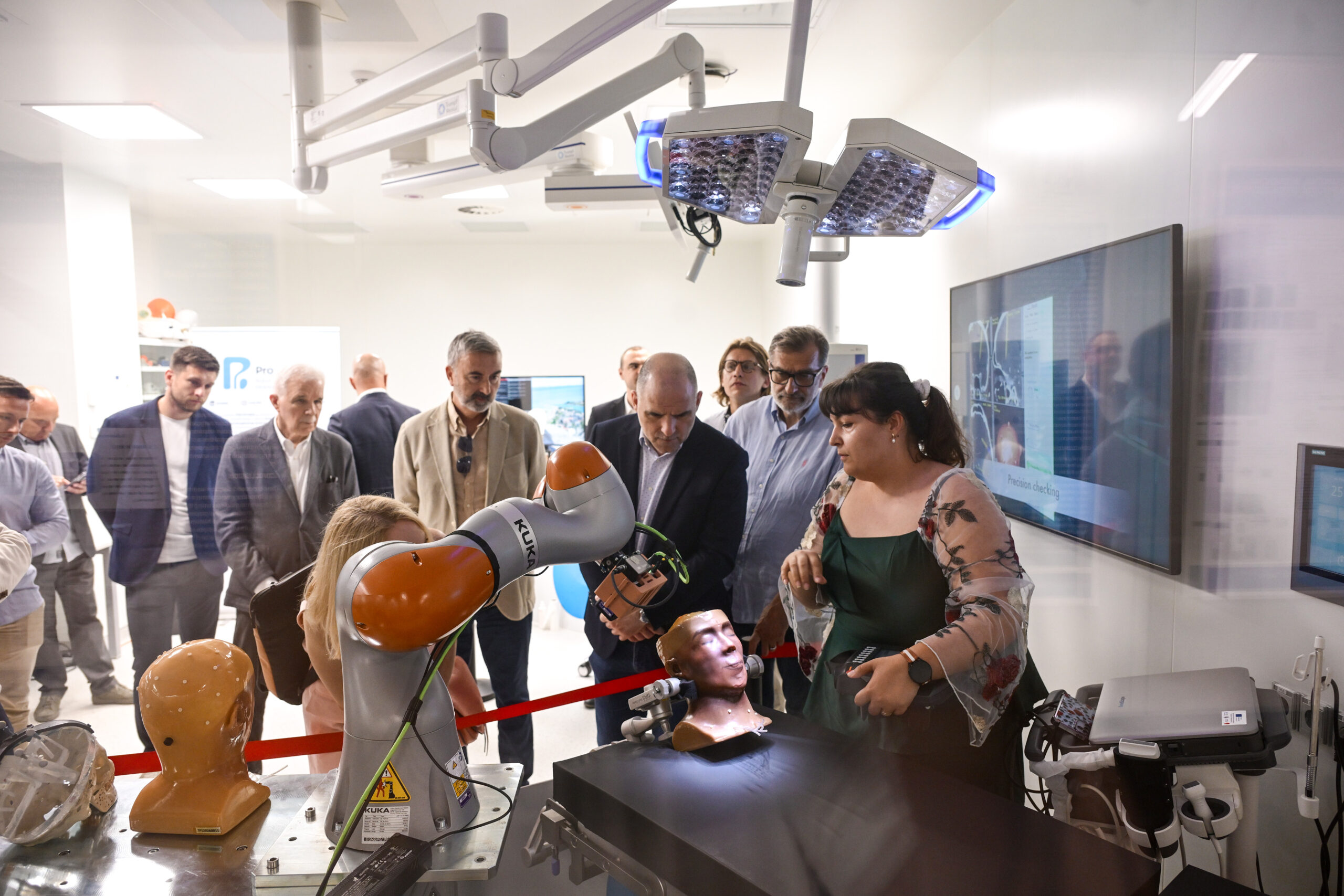
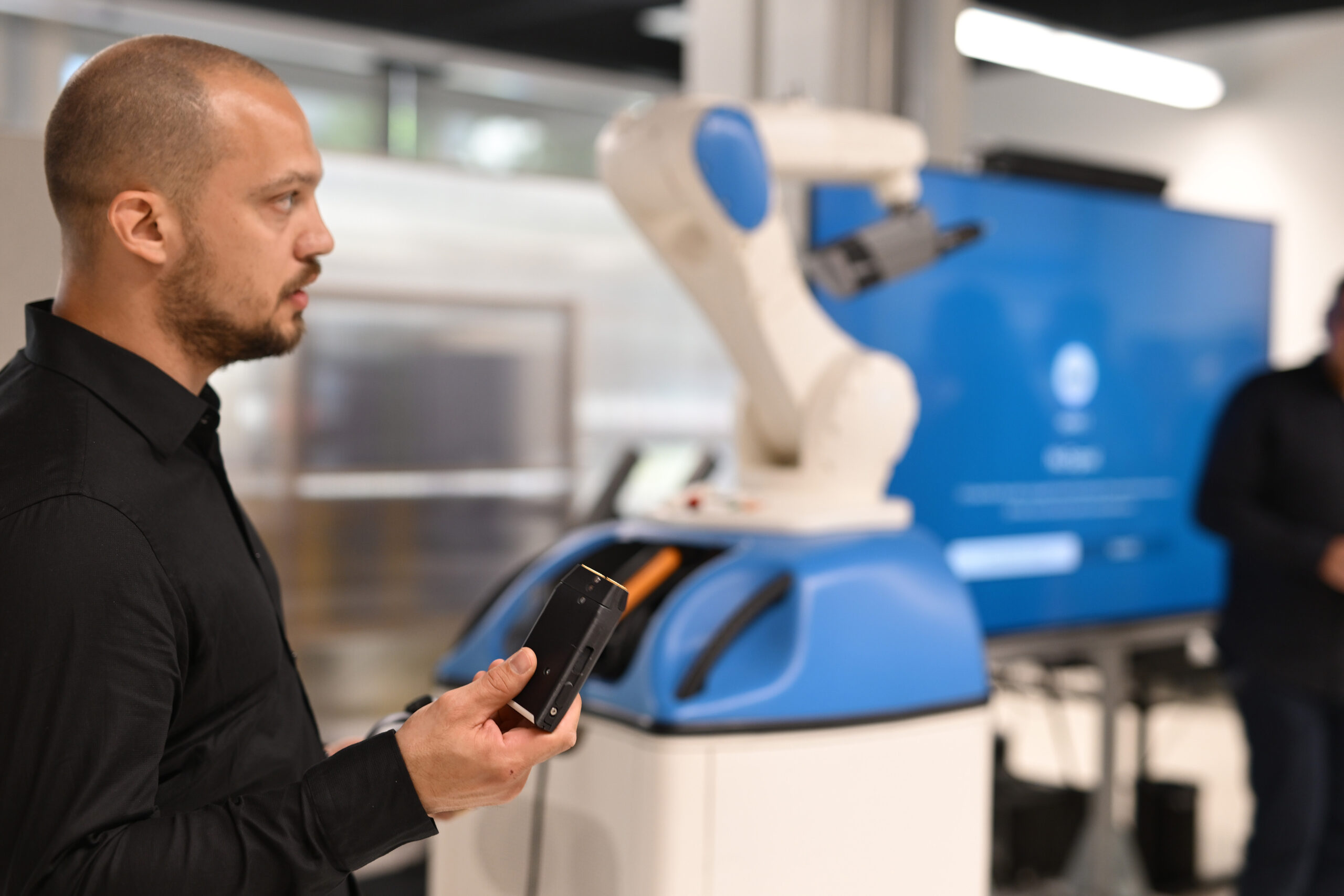
Visitors had the opportunity to learn about the technological solution of the system through an overview of the robotic platform and experimental setup, including the use of medical phantoms for validation and testing of the system. The procedures for tracking and compensation of patient movement, processing and analysis of ultrasound images including scanning, segmentation and processing using neural networks, as well as methods for 3D reconstruction and visualization of the prostate were presented.
Particular attention was drawn to the interactive interface for biopsy planning and the demonstration of robotically guided procedure execution with precise targeting of selected biopsy points, demonstrating the potential of applying artificial intelligence and robotics to increase diagnostic accuracy and efficiency of clinical procedures.
ANDROMEDA – Autonomous drilling for robotic medical applications
The ANDROMEDA project aims to develop an autonomous robotic system for bone drilling in neurosurgical procedures. The system is based on the integration of advanced sensors, intelligent control algorithms and safety monitoring mechanisms that allow real-time adaptation to surgical conditions.
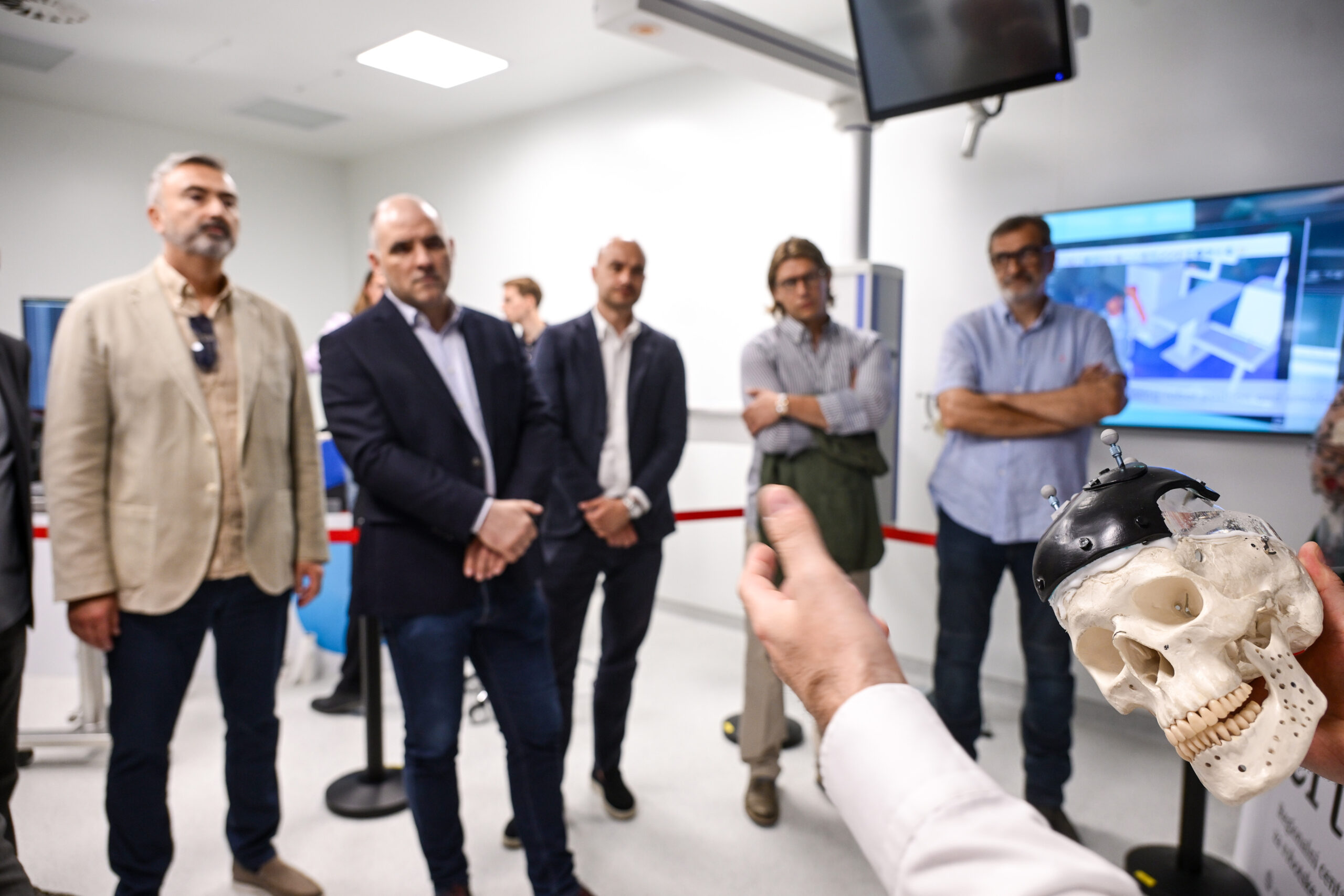
During the presentation, participants were introduced to the anatomy of the skull, existing drilling methods used in neurosurgical procedures, and their advantages and limitations. The key goals of the project were also presented: standardization of the skull drilling procedure, increasing the precision and reliability of the procedure, increasing the availability of such procedures, and further improving patient safety.
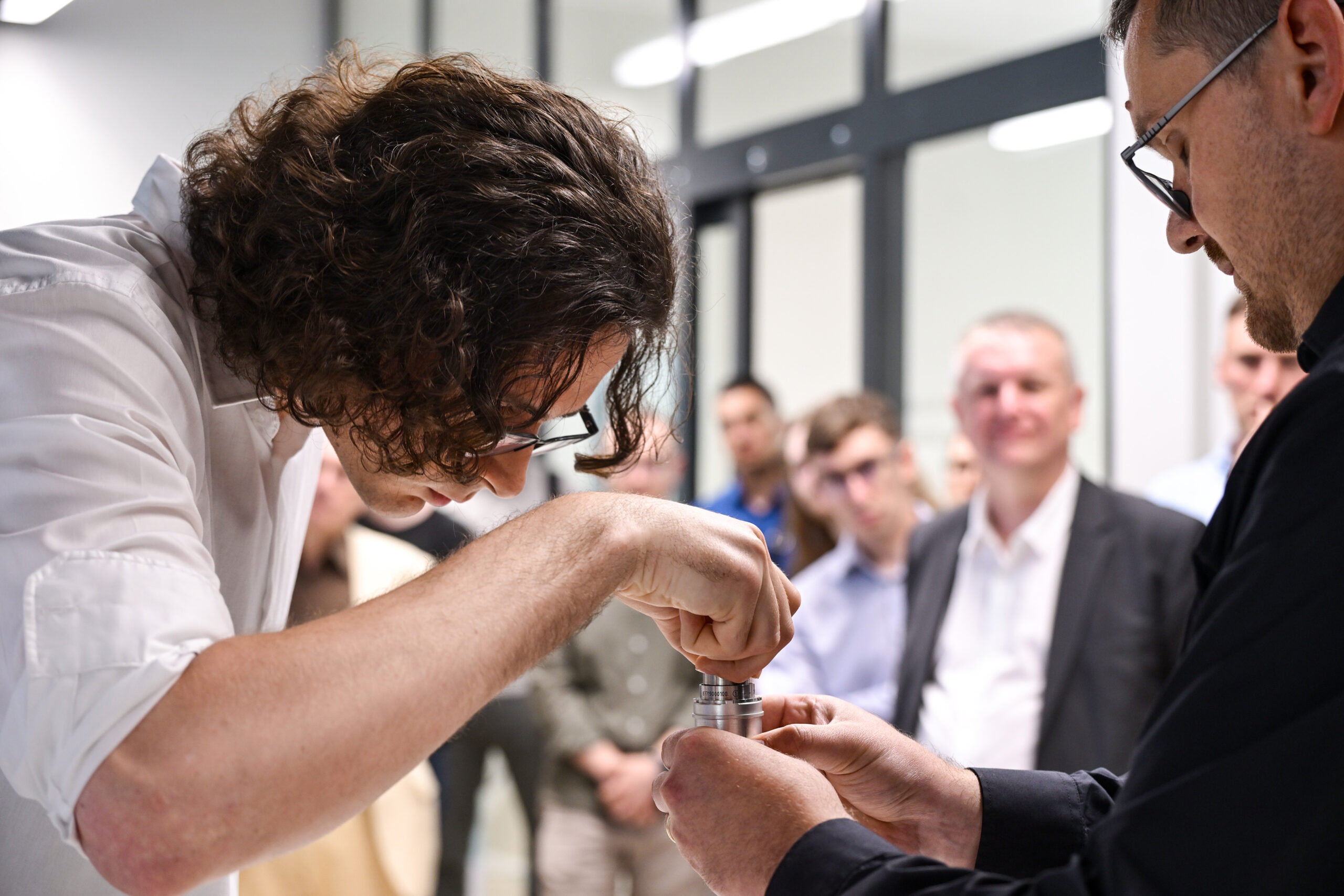
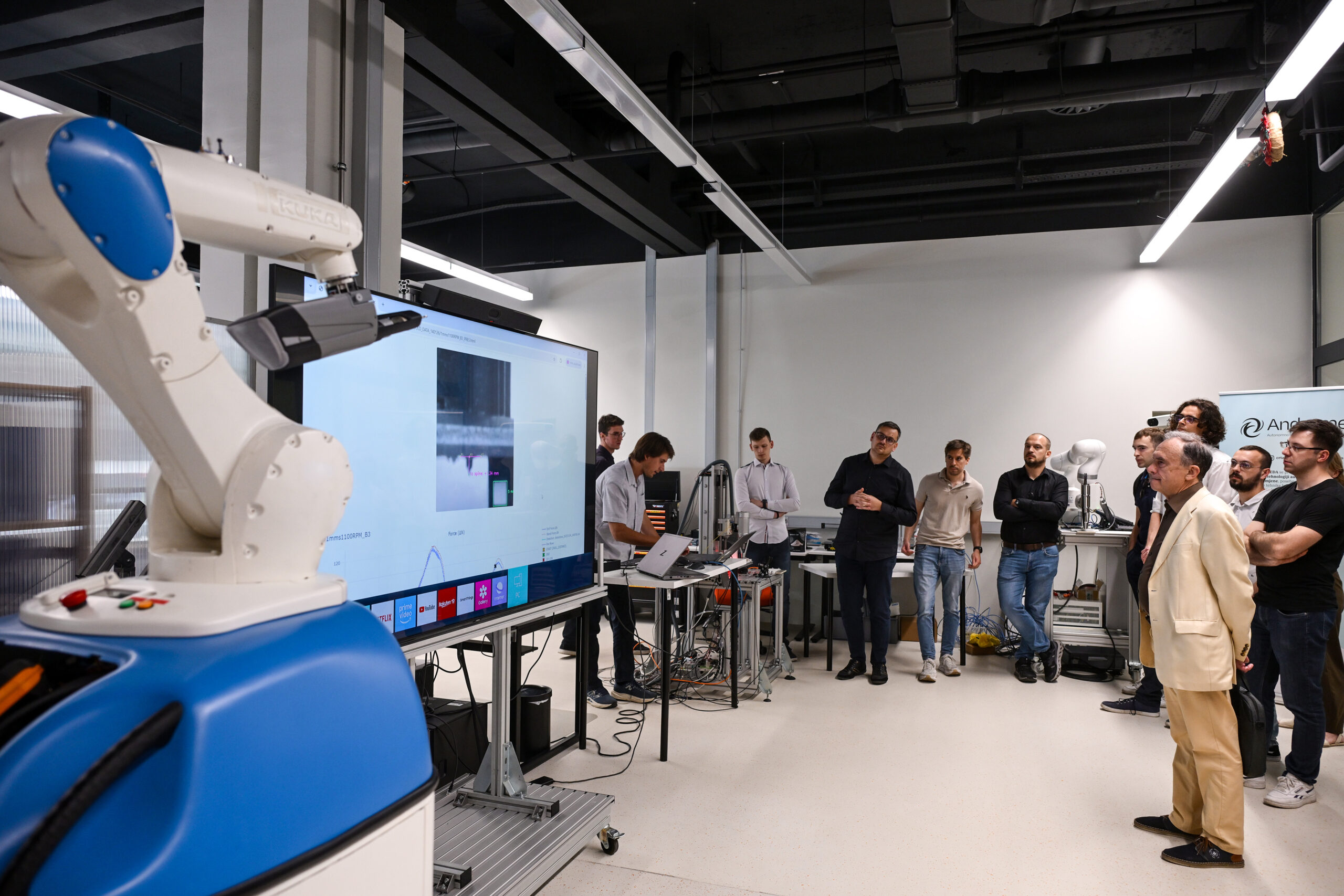
The technological solution of the ANDROMEDA system was presented through an overview of the robotic platform and experimental setup, including the use of artificial bone models for testing and validating the system. Visitors had the opportunity to learn about the process of preoperative preparation and analysis of patient CT scans through a visual interface tailored to physicians, which enables precise planning of the procedure and definition of the drilling trajectory.
Also presented were procedures for determining optimal drilling parameters, advanced control algorithms with integrated safety mechanisms for stopping the system, and robotic drill positioning. The demonstrated technologies showed how robotics and artificial intelligence can contribute to safer, more precise, and more standardized neurosurgical procedures.
Collaboration between science, medicine and industry
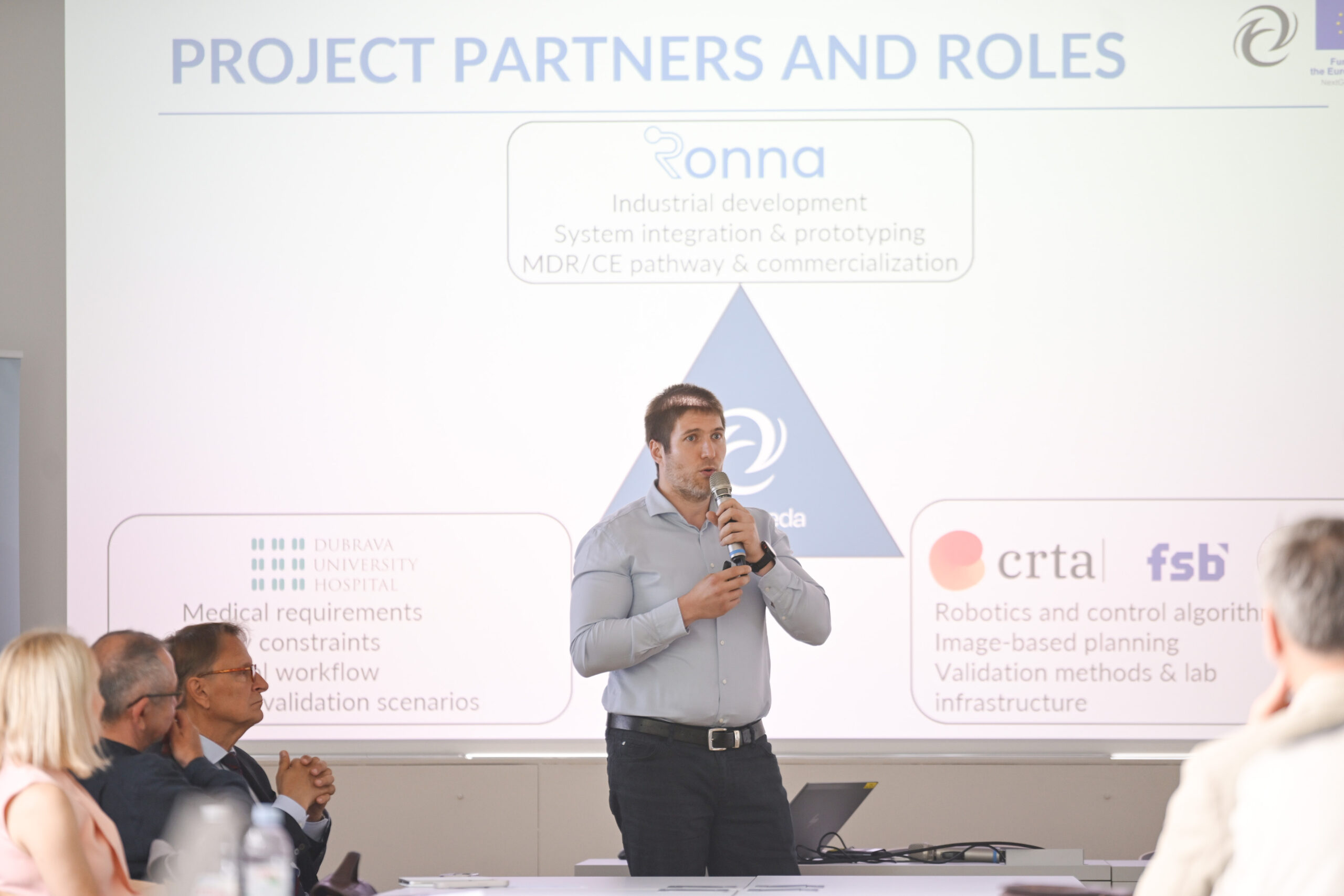
Both projects are being developed in partnership with the Faculty of Mechanical Engineering and Naval Architecture of the University of Zagreb, the Regional Center of Excellence for Robotic Technologies – CRTA, and the company RONNA Medical. PRONOBIS is being implemented in collaboration with the Clinical Hospital Center Zagreb and the Faculty of Medicine of the University of Zagreb, while ANDROMEDA is being developed in collaboration with the Clinical Hospital Dubrava.
Research and development activities are based on combining academic expertise in the fields of robotics, artificial intelligence, advanced control and medical technologies with industrial experience in the development and integration of robotic systems for medical applications.
In addition to expert lectures, participants had the opportunity to tour CRTA laboratories and attend demonstrations of developed technologies. Direct insight into the operation of the system enabled the exchange of knowledge between researchers, physicians and industry representatives and opened the space for future collaborations and the application of developed solutions in a clinical environment.
The ANDROMEDA and PRONOBIS projects are co-financed by the European Union through the National Recovery and Resilience Plan (NRRP), with the aim of developing innovative medical technologies and strengthening cooperation between the academic community, the healthcare system and the economy.
 The project was co-financed by the European Union from the European Regional Development Fund
The website was co-financed by the European Union from the European Regional Development Fund.
The content of the website is the sole responsibility of the Faculty of Mechanical Engineering and Naval Architecture.